Where Grains Meet


Where Grains Meet
WESTERN UNIVERSITY
London, Ontario
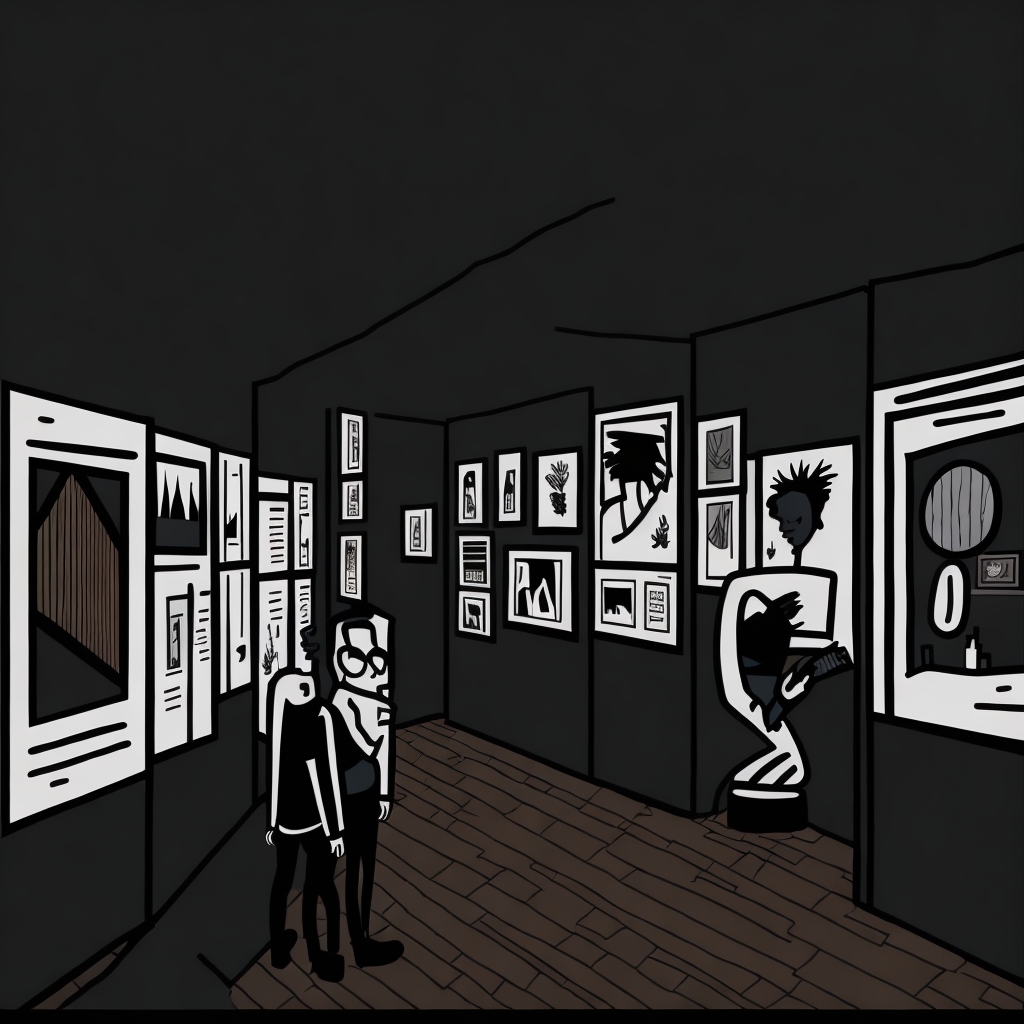

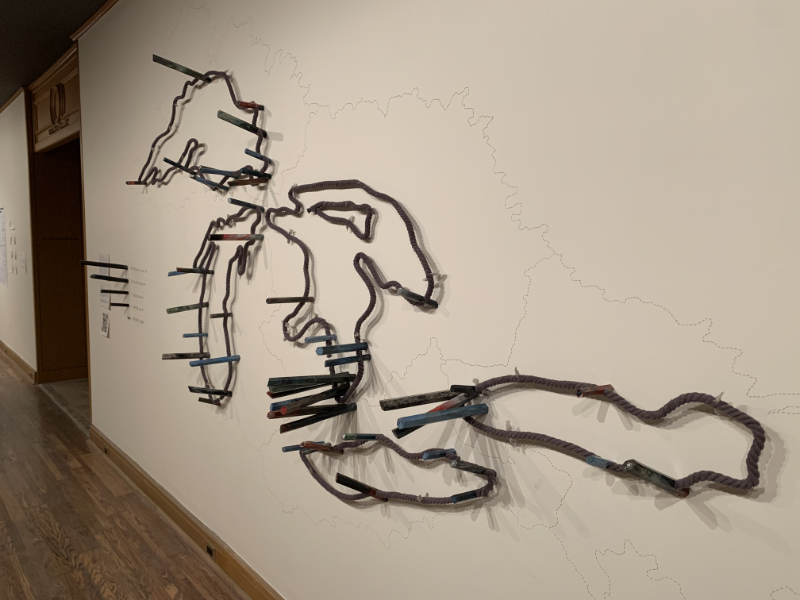
An exhibition at the University of Toronto Art Centre from September 8-November 20, 2021. It links science and art methods to affect thinking regarding environmental science and activism. Some artworks were inspired by the collaborations between artists and scientists who form the Synthetic Collective (Patricia, Sara, Ian, Kelly Jazvac, Kelly Wood, Kirsty Robertson, Heather Davis, Tegan Moore…).

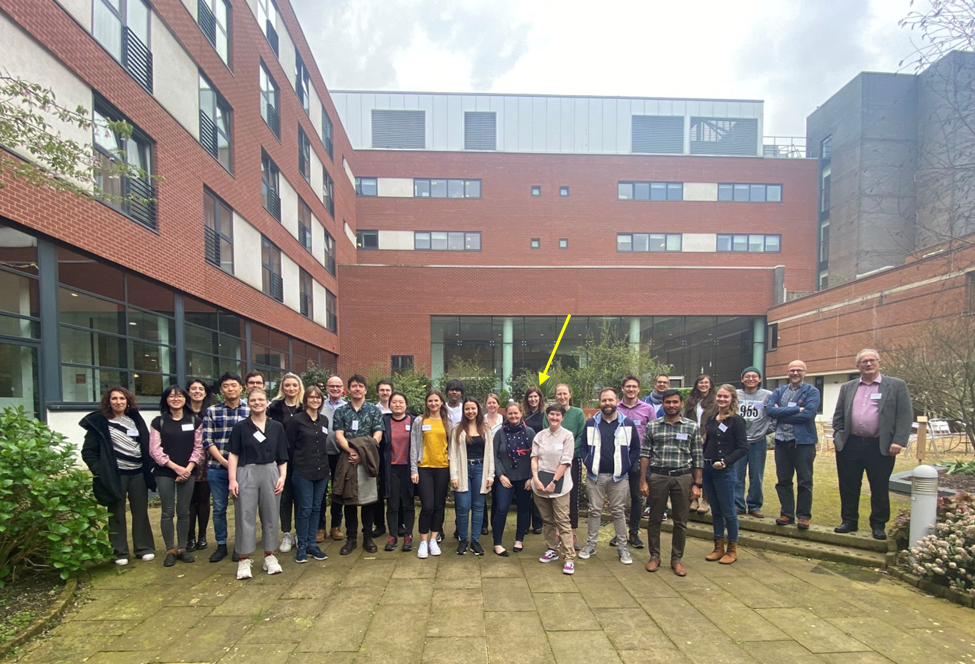
In March 2024, Patricia was invited to give a talk at the "Sedimentology of Plastics: state of the art and future directions" meeting in Birmingham, U.K. Her topic, "From Great Lakes to Stormwater Pond Sediment: the implications of microplastic types and abundances through time and space" garnered much discussion (as well as surprise when she mentioned that the entire UK could fit into the Great Lakes!). Patricia met key researchers of plastic pollution and came away with new ideas and methods.

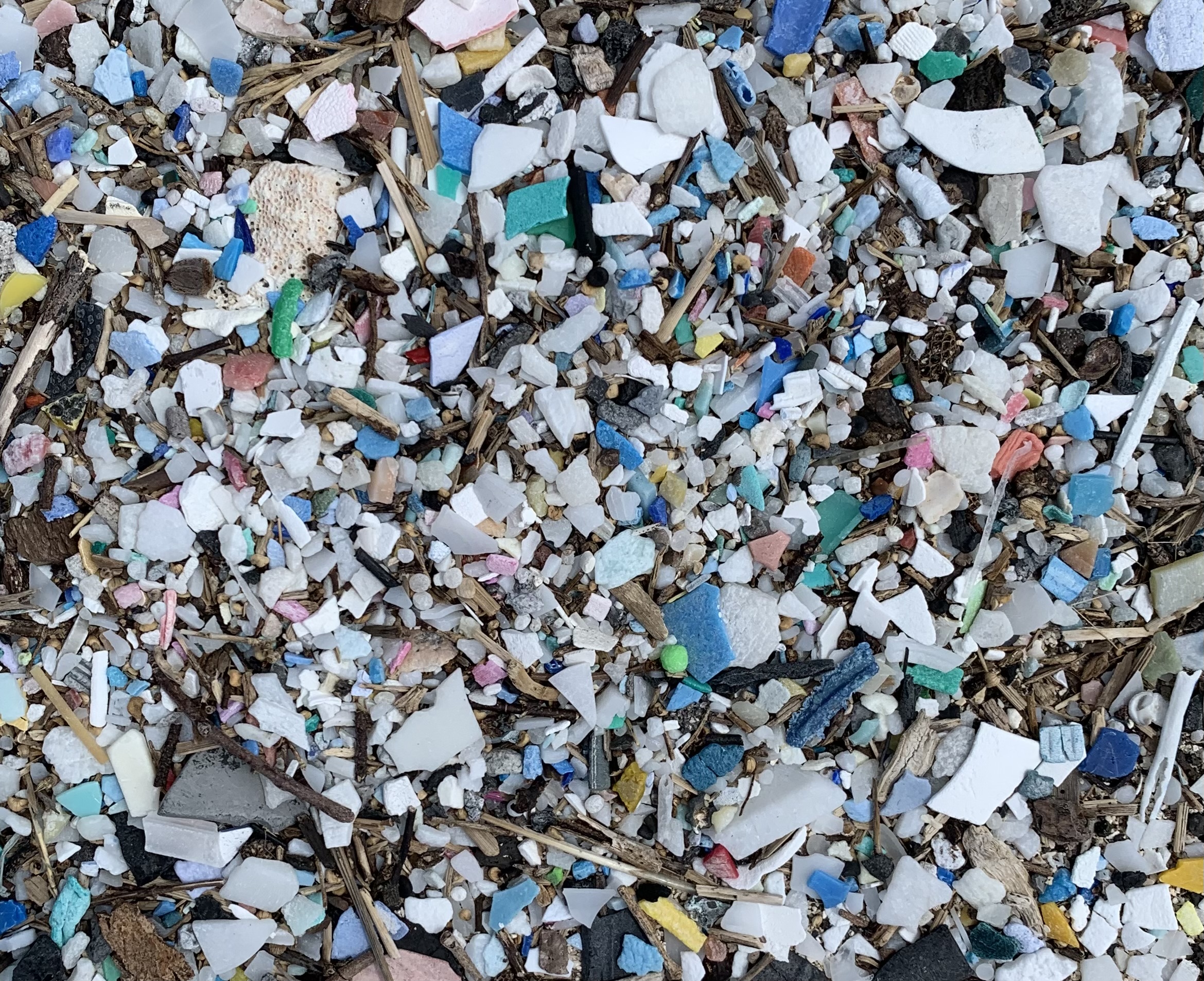
Nina Kozikowski and I are excited to share our paper concerning the drivers of macroplastic and large microplastic debris deposition in LittaTraps of urban stormwater drains!. Frontiers | Pedestrian traffic is the main driver of macro- and large microplastic debris deposition in urban stormwater drains.
If you're interested in microplastic debris as proxies for macroeconomic changes, you'll enjoy reading our article, A temporal record of microplastic accumulation in sediment cores of the Great Lakes, North America, reflects macroeconomic and regional influences. FACETS | A temporal record of microplastic accumulation in sediment cores of the Great Lakes, North America, reflects macroeconomic and regional influences